
Manual lymphatic drainage

To explain manual lymphatic drainage (MLD), how it works and why it matters, it helps to understand lymph and the lymphatic system.
Lymph and the lymphatic system
Lymph is a clear, watery fluid rich in proteins and white blood cells called lymphocytes. It is continuously formed in the spaces between tissue cells.
As part of the immune system, the lymphatic system helps the body respond to infection, maintain fluid balance, return proteins to the cardiovascular system and absorb fats and fat-soluble vitamins from digestion. It consists of fine vessels that collect lymphatic fluid throughout the body.
Lymph nourishes tissue and carries away waste products. Lymphocytes help protect the body from infection and are produced and stored in lymph nodes of different sizes and shapes. Hundreds of lymph nodes are distributed throughout the body, with many in the abdomen, head and neck, armpits and groin.
Lymph nodes filter unwanted substances, support lymphocyte production and help regulate protein concentration in lymph. Slower lymph circulation can impair fluid movement and the delivery of nutrients to cells.
What is manual lymphatic drainage?
According to Dr Emil Vodder’s method, MLD is a gentle therapeutic procedure intended to support the lymphatic system, encourage lymph flow and support tissue nourishment. It has a calming effect and works with the lymphatic, immune and nervous systems.
Lymphatic drainage is not a deep muscle massage. It uses specialised, light and rhythmical movements in a specific direction to encourage excess fluid and waste products to move through the lymphatic pathways. It can support fluid balance, relaxation and the function of lymph vessels, capillaries and valves.
Because there are relatively few contraindications, trained practitioners use MLD in both aesthetic and physical therapy settings.
In physical therapy it may be used as part of care for swelling, wound or burn recovery, headaches, premenstrual discomfort, pain management and post-surgical or post-radiotherapy rehabilitation.
Because the lymphatic system is important to immunity and fluid balance, damaged or missing lymph vessels or nodes can lead to lymphoedema and requires professional medical assessment.

Lymphoedema and impaired lymph circulation
Lymphoedema is a disorder of lymph circulation in which lymphatic fluid accumulates and causes swelling, most often in one or more limbs but sometimes in the trunk, head or genital area. It is a serious, chronic and progressive condition. A person may feel heaviness or fullness, with tight skin and reduced mobility.
In advanced cases the skin can thicken, and the most severe form may develop into elephantiasis.
Persistent fluid in tissue can interfere with oxygen delivery and wound healing. Untreated swelling may contribute to tissue hardening, skin damage, loss of movement and bacterial infection such as lymphangitis.
Lymphatic drainage may be used, when medically appropriate, in support of:
- lymphoedema;
- poor circulation;
- lipoedema;
- venous-circulation problems;
- recovery after breast surgery;
- tired and heavy legs;
- recovery after aesthetic surgery;
- fibromyalgia and myalgia;
- post-surgical swelling;
- migraines and headaches;
- traumatic swelling;
- immune-system support;
- complex regional pain syndrome;
- fatigue and general relaxation;
- some neurological conditions;
- general detoxification support;
- inflammatory rheumatic conditions;
- cellulite reduction;
- pain syndromes of the head and neck.
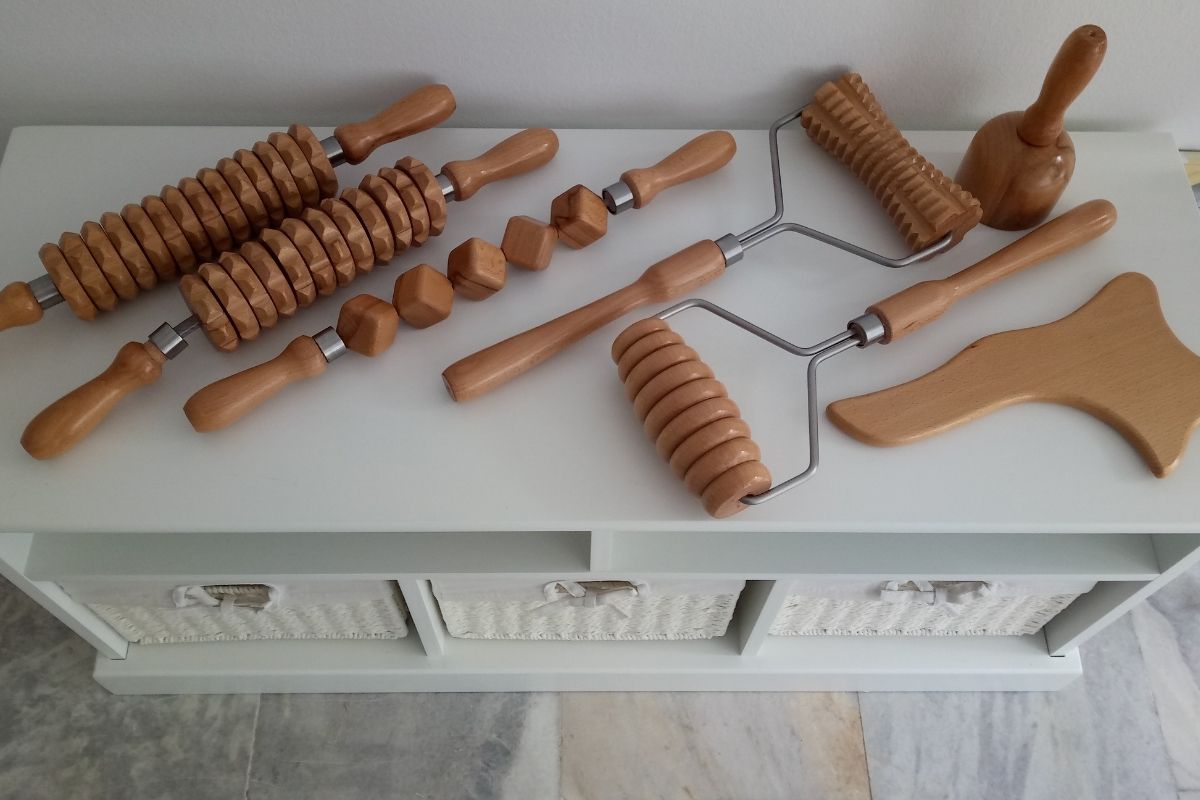
Anti-cellulite massage and lymphatic drainage are often considered in programmes for cellulite, a change in the appearance of subcutaneous tissue that can be difficult to reduce. A balanced programme may combine movement, nutrition, appropriate treatments and healthier daily habits.
Some anti-cellulite techniques use very strong pressure in an attempt to “break down” affected tissue. Excessive force can also damage skin, blood vessels and lymphatic structures, leading to bruising, fibrosis, altered tissue and loss of elasticity. Gentle lymphatic drainage takes a different approach: it supports the natural movement of fluid and waste products without deliberately damaging healthy skin or tissue.