Reflexology

Reflexology uses a distinct method of carefully measured thumb pressure on specific reflex points with the aim of producing a range of therapeutic effects. Practitioners use it to encourage the free flow of energy, normal blood and lymph circulation in different parts of the body, and a sense of balance in each region, organ or gland.
Reflexology and other forms of bodywork share the view that the body’s organ systems are interconnected and have a strong capacity for self-regulation. From this perspective, the body may respond to therapeutic work focused on an area the reflexologist considers central to the imbalance. A reflexology map of the feet mirrors the organisation of the body: organs on the right side are represented on the right foot and those on the left on the left foot.
Reflexology theory holds that deposits of calcium salts and uric-acid crystals may accumulate over time around nerve endings in the feet and interfere with normal stimulation of glands and organs; reflexotherapy techniques aim to disperse those deposits. The treatment is also described as a form of stimulation of the central nervous system at the level of the spinal cord and sympathetic nervous system. The feet and hands contain many nerve endings and are exceptionally sensitive to touch, so working them can produce a deeply relaxing sensory response and may help activate patterns in the body and brain that have become inhibited.
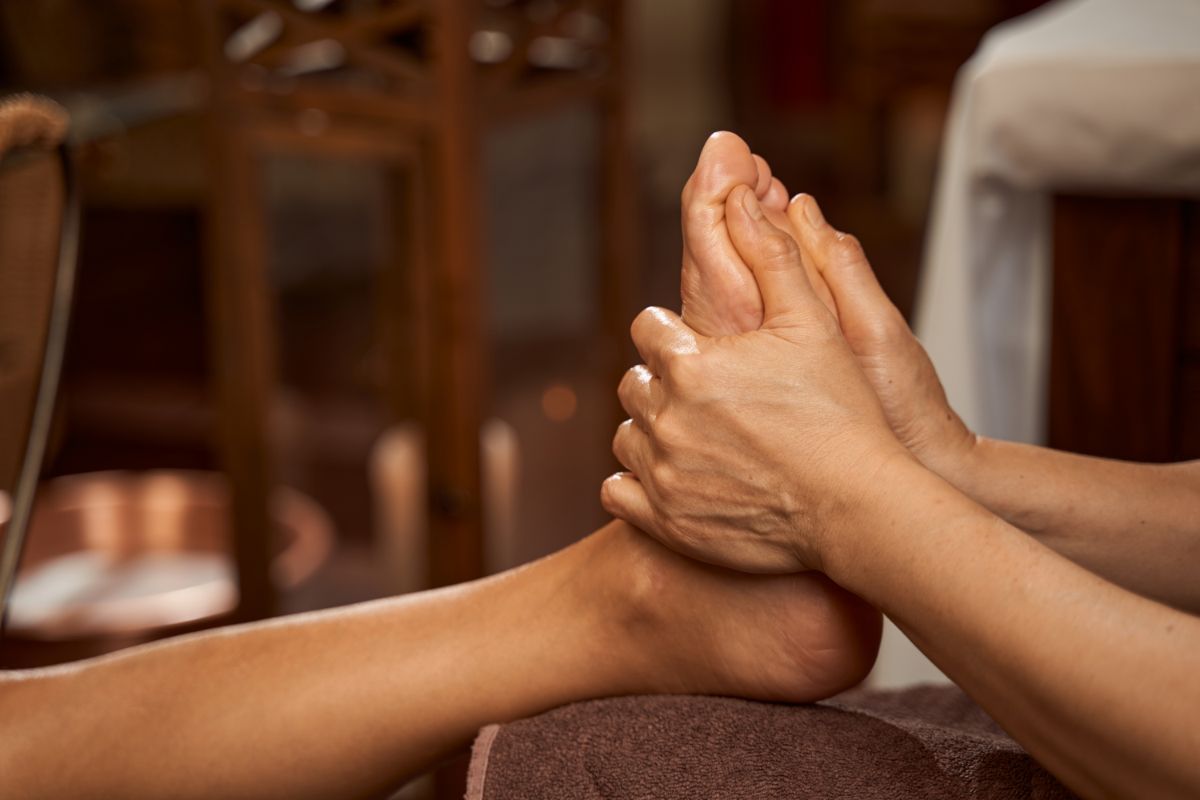
Modern life often leaves the feet neglected, and many people develop deformities or foot conditions. When people began wearing shoes routinely, they lost the direct contact with the environment and nature that came from walking barefoot and naturally stimulating reflex points. Reflexologists consider this one possible contributor to pathological changes in the feet. For that reason, they sometimes recommend special textured slippers that stimulate reflex zones while a person walks.
Foot massage can also complement other methods of traditional care and may be incorporated into a broader treatment programme together with techniques intended to promote relaxation, reduce agitation, improve concentration and support the body’s general energy. It is not a substitute for medical diagnosis or treatment where those are needed.