
Shiatsu

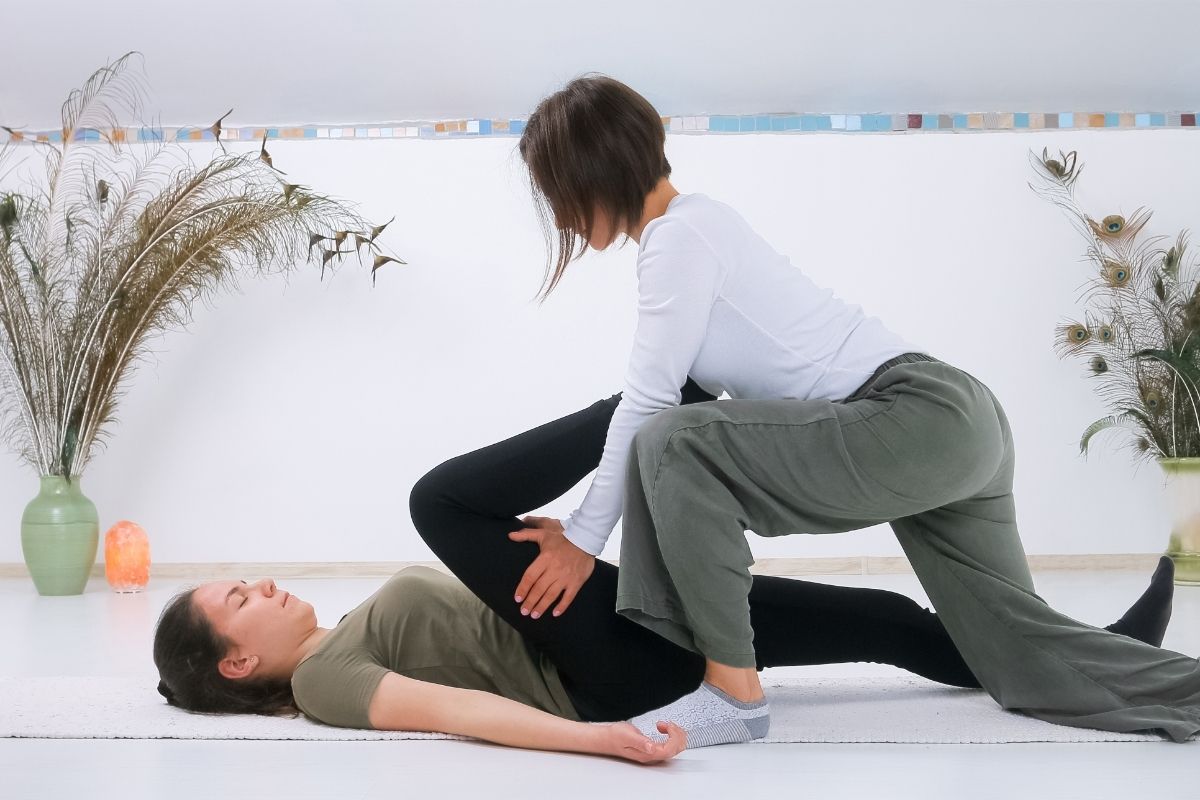
Shiatsu is a finger-pressure technique developed in Japan. Its name literally means “finger pressure”. It is performed through cotton clothing without massage oil and combines conscious breathing, muscle stretching and acupressure stimulation. The meridian network is understood in East Asian practice as a way of regulating vital energy throughout every part of the body. The technique is based on the Eastern principle that life energy, or qi, circulates along the body’s meridians. By pressing specific points along those pathways, shiatsu aims to establish and preserve balance and wellbeing. Like acupressure, it focuses on releasing interruptions in the flow of energy and restoring balance to the meridians and organs.
Like Thai massage, shiatsu is a deep and energetic treatment. It can sometimes be painful, or at least briefly uncomfortable, because the therapist may use firm pressure with the elbows or bent fingers together with assisted stretches and rotations of the arms and legs.
WHO IS SHIATSU FOR?
People often choose shiatsu for stress, nervous tension, low mood, anxiety, nausea, reduced appetite, painful periods, menopausal discomfort, cystitis, joint problems, stiffness, sciatica, disc problems, asthma, bronchitis, sinus problems, colds, allergies, multiple sclerosis, recovery after a stroke, headaches, migraines, chronic fatigue or sleeplessness. These conditions require appropriate medical care; shiatsu is complementary and not a substitute for diagnosis or treatment. Ask your doctor whether it is suitable for you.
WHAT CAN YOU EXPECT AFTER THE TREATMENT?
The most common sensation after shiatsu is temporary coolness, which usually disappears within about ten minutes. In traditional shiatsu theory, this is associated with changes in metabolism and with energy being redistributed to areas where it was previously lacking. An area that carried excess energy may then feel cooler. A sensation of warmth is explained differently: once an interruption in energy flow is released, energy begins to circulate again.
People who arrive mentally tense may feel tired once the treatment releases that tension and the body returns to a more natural rhythm, creating a need for rest or sleep. If you feel strongly light-headed or “intoxicated”, do not drive for the next 30–40 minutes; a gentle walk is a better choice.
Fatigue or an emotional response can occasionally arise during treatment. This should not be frightening. Traditional practice interprets such responses as the body releasing accumulated tension. Always tell your therapist how you feel so the pressure and pace can be adjusted.
Shiatsu is usually most effective as a whole-body treatment because this approach aims to create harmony across the body’s overall energy balance rather than work on one isolated area.