How Massage Improved My Life
A few days ago I woke up with severe neck pain. I opened my eyes and realised I could not turn to the other side, let alone get up. I barely managed to lean on one elbow and sit upright. It felt as if someone were squeezing the side of my neck while loud pulses shot through the stiffness at the back of my head.
I made my way to the bathroom, trying unsuccessfully to soften my neck and shoulders with my fingers. Then the answer became obvious: I opened Google Maps, typed massage Novi Sad, chose a nearby studio and booked an appointment.
On the massage table
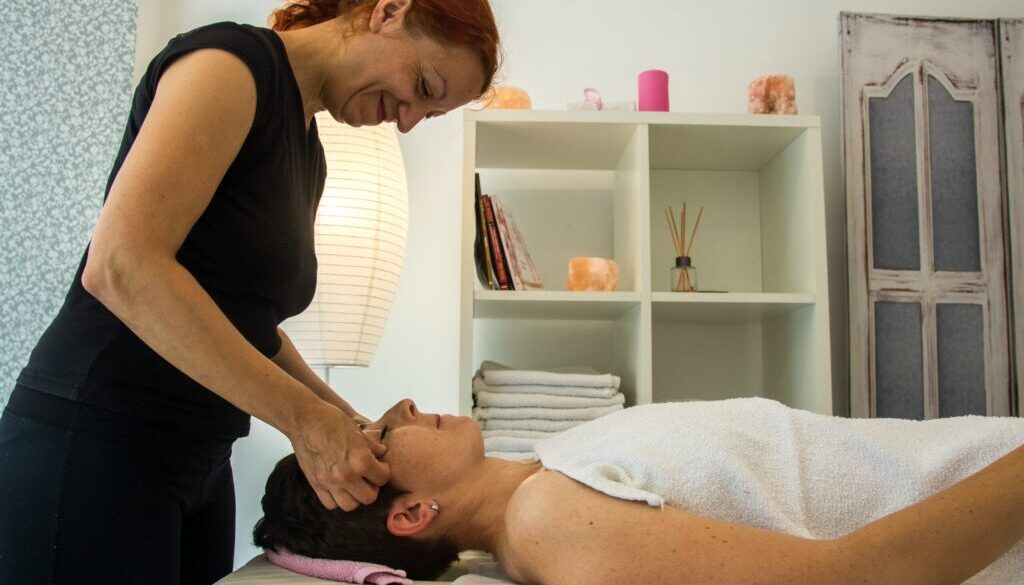
Simply stretching out on the massage table brought enormous relief. When warm hands—gentle and strong at the same time—made contact, I relaxed and trusted the treatment completely.
Half asleep, I listened to the sensations and changes in my body. They made me think about habits I wanted to change. Many people in today’s digital world spend long hours bent over computers or sitting in meetings. Sitting may seem harmless, but prolonged inactivity can significantly affect the spine, hips, neck, shoulders, muscles, nerves and circulation.
How prolonged sitting affects the body
- Intervertebral discs can deteriorate, contributing to disc problems and chronic back pain.
- Rounded shoulders, a forward head position and poor spinal alignment may become habitual after months or years of sitting.
- Tight hip flexors and weak gluteal muscles alter movement mechanics and may increase the risk of hip and lower-back pain.
- As the head moves forward, strain on the neck muscles grows, contributing to tension, stiffness and headaches.
- Prolonged sitting can tighten the trapezius muscles and cause shoulder or upper-back pain.
- It weakens the core and leg muscles, reducing overall strength.
- Pressure on nerves, particularly the sciatic nerve, may cause tingling, numbness or pain that travels down the leg.
- Circulation slows, especially in the lower limbs, which can contribute to swelling and blood pooling.
- Poor circulation may also contribute to fluid retention and varicose veins.
How massage may ease the effects of prolonged sitting
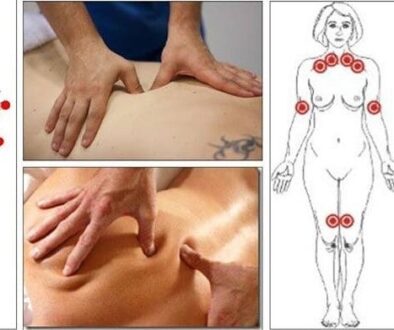
Massage is a non-invasive way to address some of the effects of sitting. It can relax tight muscles and work on knots, or myogelosis, that develop after long periods in one position. Deep-tissue and trigger-point work can focus on the hip flexors, shoulders and neck to ease discomfort and restore mobility.
- Regular massage may support better posture by releasing overworked muscles and addressing imbalances caused by poor ergonomics.
- It can improve muscle and joint mobility by encouraging blood flow and reducing stiffness. Stretching combined with massage is especially useful around the hips and lower back.
- Massage supports circulation and may help relieve symptoms such as swelling and heavy legs.
- By easing surrounding muscle tension, massage may also reduce symptoms associated with nerve compression, including tingling, numbness and shooting pain.
Making massage part of a healthy routine
Massage can bring meaningful relief, but it works best alongside healthy daily habits:
- Take frequent breaks: stand, stretch and walk every 30–60 minutes.
- Stretch and stay mobile: add yoga or regular mobility work to your routine.
- Exercise regularly: strengthen the core and lower body to support posture and reduce strain on the spine.
- Use ergonomic equipment: choose a supportive chair and place your screen at eye level.
That is how massage improved my life. Make it a regular habit and it may make yours feel different too. 🙂