Myogelosis: Causes, Treatment and Prevention
My massage therapist is a very knowledgeable woman as well as an exceptionally skilled one. There is so much to learn from her—not only about massage, but also about bones, joints and muscles. Today I want to share what she taught me about myogelosis: the familiar “knots” many of us have felt in our shoulders or as pain between the shoulder blades.
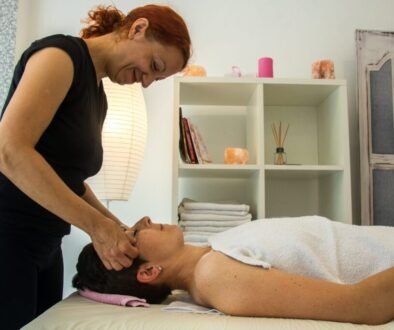
This is what she explained last week while I lay on the massage table, wincing under pressure that was firm yet gentle and carefully measured.
Where the problem begins
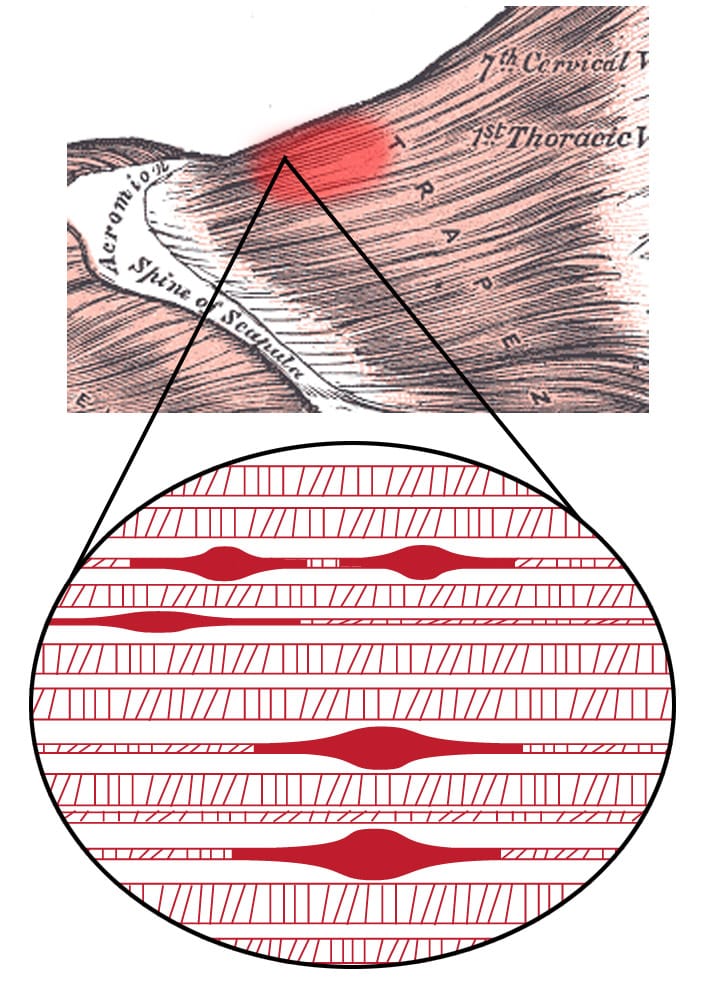
Myogelosis can develop when muscles are overloaded or kept at an elevated level of tension. Spending too much time indoors at a computer—often in an unsuitable position that changes the biomechanics of the muscles along the spine—can contribute as well. Muscles remember this strain. During anaerobic activity they produce lactic acid as a by-product, while everyday stress can increase the burden. When circulation cannot clear it efficiently, painful tight areas may develop, most often in the neck and between the shoulder blades.
How is myogelosis treated?
Treatment commonly combines exercise, massage and muscle stretching, sometimes with heat or cold therapy. In more serious cases a doctor may recommend medication for pain and inflammation. If the problem followed an injury, the muscle also needs adequate rest.
Persistent overwork of muscle fibres, especially around the neck and shoulders, can gradually become painful and restrict movement of the head and shoulders. Regular massage treatments, with timing adjusted to the individual, can help these tense areas release gradually.
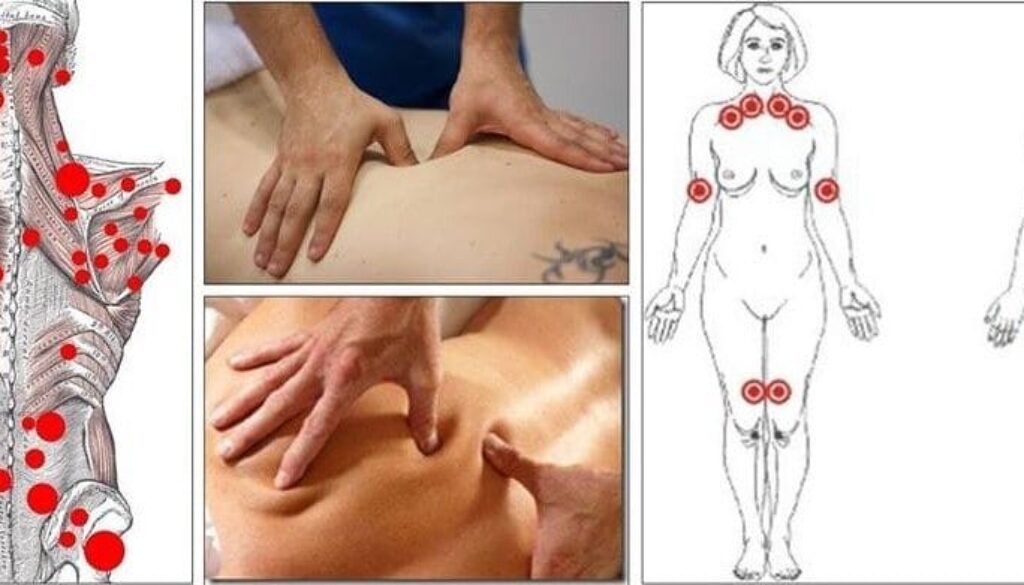
During a massage, working on painful points stimulates local circulation. As blood and lymph flow become more effective, microcirculation improves and the tissue can begin to relax. When the knots are large and very painful, a medical professional may also recommend electrotherapy.
Stretching exercises
Stretching can help reduce existing tension, prevent new tight spots and preserve muscle mobility. Diet and hydration matter too. A balanced diet with less excessive sugar and heavily processed food supports general recovery.
How can myogelosis be prevented?
Regular physical activity, stretching and massage can all help. It is also important to avoid sitting for long periods in an uncomfortable position, endlessly repeating the same movement and training beyond your current ability.
Which exercises are especially useful?
Stretching is most often recommended because it may help relax affected muscles and reduce discomfort. Aerobic activities such as walking, running, swimming and cycling can also improve circulation and support recovery.
Strengthening can support prevention, but it is best introduced after acute pain and inflammation have eased. Overusing a painful muscle may make symptoms worse, so exercise should match your condition and activities that cause pain should be avoided.
Can a healthy diet make a difference?
A diet rich in protein, vitamins and minerals supports healthy muscles. Drinking enough water and eating sufficient fibre can also support normal digestion, hydration and recovery.
Fresh leafy vegetables, fruit and adequate fluids—especially water—are sound everyday choices. Lemon or ginger drinks can be refreshing after exercise, while a smoothie can provide a light and revitalising meal.